

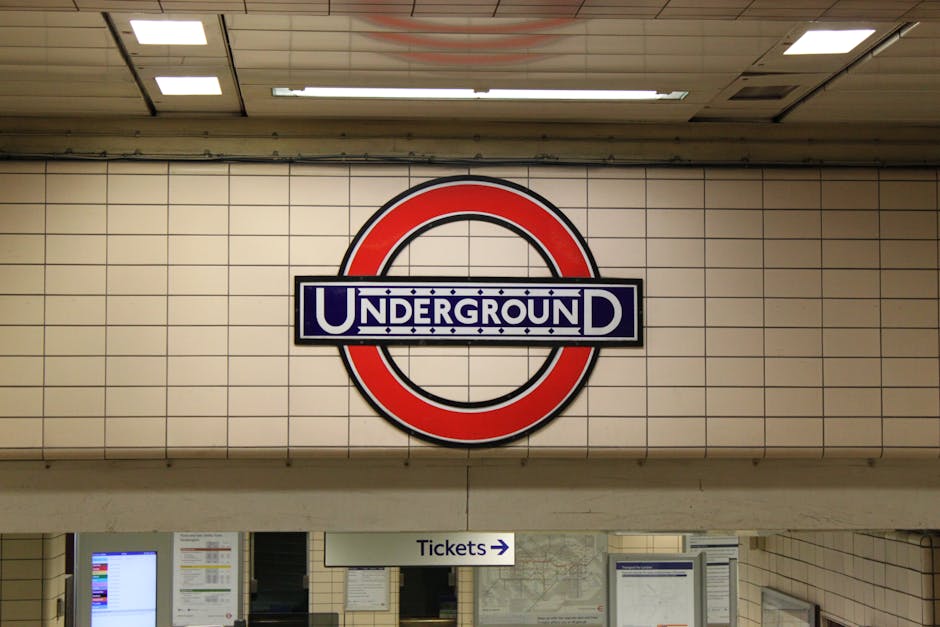
Rubbish clearance near Tufnell Park tube station
Posted on 02/09/2026

Rubbish clearance near Tufnell Park tube station: a practical local guide
If you need rubbish clearance near Tufnell Park tube station, you probably want one thing above all else: the mess gone without hassle, delay, or awkward surprises. That might mean old furniture from a flat off the High Street, builders' waste from a quick renovation, or a pile of bags that has slowly turned into a small mountain by the front door. Truth be told, rubbish has a habit of breeding when nobody's looking.
This guide explains how local rubbish clearance works, what to expect, who it suits, and how to avoid the common mistakes that cost time and money. You will also find practical tips for choosing the right clearance option, staying on the right side of UK waste rules, and making the whole process smoother from the outset.
Why rubbish clearance near Tufnell Park tube station matters
Living or working near a busy tube station means space is often tight, access can be awkward, and kerbside clutter becomes visible quickly. A broken wardrobe, a few black bags, or leftover renovation debris can make a property feel untidy in a matter of hours. Near Tufnell Park tube station, where residential streets, period conversions, and rental properties sit close together, clearance needs to be efficient and considerate.
That matters for several reasons. First, rubbish attracts more rubbish. A small stack left by the pavement can create a bigger problem very quickly, especially if others assume it is an unofficial dumping spot. Second, clutter affects how a home feels. If you are moving, refurbishing, or preparing a property for viewing, the difference between "used" and "careworn" is sometimes just what is left lying around. Third, access matters in this part of London. Narrow roads, resident parking, and busy footfall mean you cannot always rely on leaving waste out and hoping for the best.
There is also the simple fact that local clearances should be done properly. Not all waste is the same. Mixed household rubbish, green waste, old furniture, electrical items, and builders' rubble each need different handling. A decent clearance service does more than just remove things; it sorts, loads, transports, and disposes of them in a way that is practical and responsible.
For many people, the real question is not whether they need clearance, but how fast they need it and how much disruption they can tolerate. If that sounds familiar, you are in the right place.
How rubbish clearance near Tufnell Park tube station works
The process is usually straightforward, though the details depend on the amount and type of waste. Most local rubbish clearance jobs follow a simple pattern: you describe what needs removing, the team estimates the volume or looks at photos, a collection time is arranged, and the waste is loaded and taken away.
In practical terms, a good quote will usually depend on:
- the type of waste, such as household junk, furniture, garden cuttings, or builders' waste
- the amount of waste, often described in cubic yards, van load, or part-load terms
- access to the property, including stairs, lifts, permits, or parking restrictions
- the need for heavy lifting, dismantling, or sorting
- special handling for items like fridges, paint, or electrical equipment
Some clearances are as simple as a single van arriving, loading a few large items, and leaving. Others take more coordination. If waste is spread across a basement, loft, and hallway, or if it includes broken materials from a refurb, the team may need more time and more labour. Near a tube station, where parking can be a nuisance, efficiency matters even more.
If you are exploring related services, it can help to compare them with the wider waste clearance services overview so you can see whether you need a one-off pickup, full clearance, or a more specific option. For instance, house clearance in Tufnell Park may suit a move or probate situation, while rubbish collection in Tufnell Park can be better for smaller loads and regular disposal needs.
One small but important point: photos help. A clear set of pictures of the waste, access route, and any awkward items usually leads to a more accurate quote. It is a bit mundane, yes, but it saves misunderstandings later.
Key benefits and practical advantages
There are plenty of reasons local residents and businesses choose professional clearance rather than doing it themselves. Some are obvious; others only become obvious once you have tried to move a sofa down a narrow stairwell at 7:30 in the morning.
Key benefits include:
- Speed: a trained team can remove bulky items far faster than most DIY efforts.
- Convenience: no need to hire a van, recruit friends, or make multiple trips.
- Reduced stress: especially useful during a move, refurbishment, end-of-tenancy turnaround, or bereavement.
- Better sorting: reusable, recyclable, and general waste can be separated more sensibly.
- Less disruption: useful in streets where neighbours, foot traffic, and parking all need to be considered.
There is also a cleanliness benefit that people underestimate. Clearing a room is not only about empty space; it can lift the whole mood of the property. A loft that felt unusable can become storage again. A garden that felt overrun can feel calm. A office that looked cramped can suddenly breathe.
If sustainability matters to you, ask about sorting and recycling practices. You can also read more about the site's approach to recycling and sustainability. That matters because well-run clearance is not just about removing waste, but handling it sensibly. Nobody wants a tidy hallway and a messy conscience.
Expert summary: the best rubbish clearance is usually the one that feels almost boring in the best way possible: accurate quote, punctual arrival, careful handling, clean finish, no drama.
Who this is for and when it makes sense
This service suits a surprisingly wide range of people. The obvious cases are house moves, flat clearances, and renovation projects. But there are plenty of less obvious situations too.
It often makes sense for:
- tenants who need to clear leftover items before checkout
- landlords preparing a property between occupancies
- homeowners dealing with loft, garage, or shed clutter
- small businesses clearing stock, packaging, or old office furniture
- builders and tradespeople who need fast removal of site waste
- families managing probate or long-term decluttering
Sometimes the timing is driven by a deadline. A new tenant arrives tomorrow. Building work starts on Monday. Visitors are coming, and the spare room is currently half wardrobe, half charity pile. In those moments, a professional clearance can feel less like a luxury and more like a very necessary reset.
Near Tufnell Park tube station, this can be especially useful because many properties are compact. A few large items can swallow a whole hallway. A professional team can often move things through tight access more safely than an amateur clear-out. To be fair, a bulky wardrobe has no respect for your schedule.
For business owners, there is another angle. A cluttered workspace slows everything down. If you are clearing a back office, archive room, or shop storage area, office clearance in Tufnell Park can be the most practical route, especially when you need the space back fast.
Step-by-step guidance
If you want the process to run smoothly, it helps to think of it as a short project rather than a last-minute favour. Here is the cleanest way to approach it.
- Identify what needs removing. Walk through each room and separate waste into categories: furniture, bags, mixed rubbish, electrical items, garden waste, and builders' materials.
- Decide what stays. This sounds obvious, but it is where many people go wrong. Be strict. If you are unsure about an item, place it in a "maybe" pile and revisit it later.
- Take photos. Include the full pile and any access points like stairs, narrow corridors, or rear entrances.
- Check for special items. Fridges, freezers, paint tins, mattresses, chemicals, and electrical goods may need separate handling.
- Ask about timing. If you have a deadline, make it clear. Morning collections are often easier around busy roads and parking restrictions.
- Confirm the quote details. Make sure you understand what is included. Labour, loading, disposal, and any extra charges should be explained before work begins.
- Prepare access. Move cars if needed, unlock gates, and make sure someone is available if the team needs entry.
- Keep the route clear. You do not want boxes, bikes, or bin bags blocking the path when loading starts.
- Check the final result. A quick look around at the end catches stray items and ensures nothing important has been taken by mistake.
If the job is a larger clear-out, you may also need specialist support. For example, a loft or attic task can involve insulation dust, awkward access, and forgotten belongings, which is why loft clearance in Tufnell Park is a separate service worth considering.
Expert tips for better results
After enough clearances, a few patterns become pretty obvious. The jobs that run well are rarely lucky. They are usually prepared.
Practical tips worth following:
- Sort before the team arrives. Even a little separation between furniture, general rubbish, and recyclables can save time.
- Be honest about volume. Underestimating waste is one of the quickest ways to derail a quote.
- Measure awkward items. Large wardrobes, corner sofas, and appliances often take up more room than people think.
- Think about parking early. In London, parking and access can be the difference between a quick job and a frustrating one.
- Protect floors and walls. If you are moving waste through a narrow hallway, a blanket or temporary cover can help.
- Separate anything reusable. If items can be donated, repurposed, or reused, make that decision before the clearance begins.
Another useful habit is to take a "before" photo of the pile and a quick "after" photo once the job is done. Not because you need a documentary, but because it helps if you are managing a landlord, letting agent, or renovation timeline. It gives everyone a simple visual reference.
And if you are trying to keep costs in check, clarity matters. The more specific you are, the fewer surprises there are. If you want to look at pricing approaches before booking, the page on pricing and quotes is a sensible place to start.
Common mistakes to avoid
Let's face it, rubbish clearance sounds easy right up until the pile is actually in your hallway. Then the little decisions suddenly matter.
Common mistakes include:
- Leaving sorting until the day of collection: this slows everything down and can increase cost.
- Not checking for restricted items: some waste needs special handling, so do not assume everything can go in one load.
- Guessing the volume: a "small load" can turn into a much larger one once everything is gathered together.
- Forgetting access issues: tight stairs, no lift, or difficult parking can change the job quite a bit.
- Choosing only on price: the cheapest option is not always the best if it comes with poor communication or unclear disposal arrangements.
- Waiting too long: rubbish piles are rarely impressed by your wishful thinking.
Another error is assuming every clearance is the same. It is not. A few bags from a declutter, a garden pile after weekend pruning, and a builders' waste load from a kitchen update all need different planning. If you match the method to the waste, things go much more smoothly.
A quick note on special cases: if the waste comes from construction or refurbishment, builders waste disposal in Tufnell Park is usually the more suitable route than generic rubbish removal.
Tools, resources and recommendations
You do not need a lot of gear, but a few simple tools make the process easier. Even if you are not doing the lifting yourself, preparation helps the crew work cleanly and safely.
Useful tools and materials:
- strong bin bags or rubble sacks
- permanent marker labels for sorting
- tape or string for bundling loose items
- moving blankets or old sheets for protecting surfaces
- basic gloves if you are handling items in advance
- a torch for lofts, cupboards, and darker corners
From a decision-making point of view, the most useful resources are the company pages that explain what is included, how safety is managed, and what payment methods are accepted. That is where trust is built. You want a service that is clear before the van even arrives.
For that reason, these pages are worth a look if you are comparing options:
- about the company and how it works
- insurance and safety information
- payment and security details
- recycling and sustainability approach
That last one is particularly useful if you care about where the waste ends up. A responsible clearance provider should be able to explain its process in plain English. No mystery. No vague hand-waving.
Law, compliance, standards, and best practice
Waste removal in the UK is not just a moving exercise; it comes with real responsibilities. You do not need to become a compliance expert, but you should know the basics.
Best practice usually means:
- waste is handled by a lawful carrier
- items are taken to appropriate facilities rather than dumped
- hazardous or restricted items are treated separately
- reusable and recyclable materials are considered before disposal
- the customer receives clear information about what is included
If you are arranging clearance for a business, the standard of record-keeping should be even better. Commercial waste often involves different expectations around documentation, access, and timing. The point is not to turn the process into paperwork theatre, but to know your waste is being managed properly.
For householders, one simple rule is worth remembering: do not hand waste to anyone who cannot explain where it will go. If a clearance offer sounds suspiciously cheap and the details are fuzzy, pause. A tidy driveway is not worth a fly-tipping headache later. Nobody needs that stress.
It can also help to read the page on terms and conditions so you know what the service includes, and the privacy policy if you are sharing access details, photos, or contact information. For website accessibility concerns, there is also an accessibility statement available.
Options, methods, and comparison table
There is more than one way to get rid of rubbish near Tufnell Park tube station. The best method depends on volume, access, urgency, and the kind of waste involved.
| Method | Best for | Pros | Watch out for |
|---|---|---|---|
| Man-and-van clearance | Mixed household waste, furniture, light renovation debris | Fast, flexible, good for short-notice jobs | Can be less suitable for very large or complex clearances |
| Skip hire | Longer projects with repeated waste generation | Useful if work is ongoing over several days | Needs space and may involve permits or access issues |
| Regular rubbish collection | Smaller, recurring waste volumes | Simple for routine disposal needs | Not ideal for bulky or one-off clear-outs |
| Specialist item disposal | Furniture, appliances, loft items, green waste, builders' waste | Tailored handling for specific waste streams | May need item-specific planning |
If you are clearing a sofa, bed frame, wardrobe, or heavy dining set, a dedicated option like furniture disposal in Tufnell Park may be the neatest fit. If your waste is mostly branches, soil, and cuttings after a garden tidy, garden waste removal in Tufnell Park is likely more appropriate.
There is also a commercial angle for businesses trying to keep costs sensible. If you are comparing options for an office or retail space, the article on cheap waste clearance quotes for Tufnell Park businesses gives useful context on getting value without cutting corners.
Case study or real-world example
A useful example: imagine a first-floor flat a short walk from Tufnell Park tube station where the tenants have moved out and left behind a mix of broken shelving, a mattress, two chairs, old kitchen bits, and several bags of general rubbish. Nothing dramatic, just the usual post-move chaos. The landlord wants the place ready for viewings as soon as possible.
In that situation, the best result comes from a short, well-prepared clearance. Photos are sent in advance. Access is checked. Parking is arranged as best it can be on a busy street. The team arrives, removes the waste in one visit, and leaves the flat empty and presentable.
What made the job work was not luck. It was preparation and clear communication. The landlord knew which items were staying. The clearance team knew which route to use. The time on site was short, which matters when there are neighbours coming and going, stairwells to keep clear, and everyone is trying not to make the building feel like a building site.
That kind of case is common. And honestly, the best jobs often look uneventful from the outside. Which is exactly the point.
Practical checklist
Use this before booking rubbish clearance near Tufnell Park tube station.
- Have you listed every item that needs removing?
- Have you separated keep, donate, recycle, and dispose piles?
- Have you taken clear photos of the waste and access route?
- Do you know whether any items need special handling?
- Have you checked for stairs, lifts, narrow hallways, or parking restrictions?
- Have you asked what is included in the quote?
- Are you clear on the collection time and expected duration?
- Do you know how the waste will be handled after collection?
- Have you reviewed the provider's safety and payment information?
- Have you made the access route clear and ready?
If you can tick most of those off, the job is likely to feel much easier. Simple, really.
Conclusion
Rubbish clearance near Tufnell Park tube station is about more than removing unwanted items. It is about restoring usable space, keeping access clear, and handling waste properly in a busy London setting. Whether you are dealing with a one-off household clear-out, a landlord turnaround, an office refresh, or a builders' waste load, the right approach saves time and reduces stress.
The best results usually come from a clear description, realistic expectations, and a provider that is upfront about access, disposal, and pricing. Do that, and the process becomes far less daunting than it first appears. A bit of planning goes a long way.
Get a free quote today and see how much you can save.
And if you are standing in a room full of bags, boxes, and one very stubborn chair, take a breath. It can be sorted. It really can.

 Tipper Van - Rubbish Removal and Waste Clearance Prices in Tufnell Park, N7
 Luton Van - Rubbish Removal and Waste Clearance Prices in Tufnell Park, N7

